
Nicotinamide Mononucleotide (NMN) and resveratrol are two bioactive compounds that have received growing attention in nutritional and cellular biology research. While they’re often discussed together, each plays a distinct role in biological processes related to NAD⁺ (nicotinamide adenine dinucleotide) — a vital coenzyme involved in many normal cellular functions.
This article explores what NAD⁺ does in the body, how NMN and resveratrol influence its metabolism, and why researchers continue to study their relationship in the context of health, ageing, and metabolic function.
What Is NAD⁺ and Why Is It Important?
NAD⁺ is a coenzyme found in every cell of the body. It’s essential for energy production, enzymatic reactions, and the regulation of normal cellular processes.
At its core, NAD⁺ participates in redox reactions that convert nutrients into cellular energy. It also serves as a substrate for enzymes such as sirtuins and poly(ADP-ribose) polymerases (PARPs), which regulate DNA repair, gene expression, and stress responses (R).
NAD⁺ levels naturally decline with age, and this decline has been linked to metabolic dysfunction and reduced cellular resilience (R). Nutrition, exercise, and lifestyle can also influence NAD⁺ production and consumption.
NMN and Its Role in NAD⁺ Metabolism
Nicotinamide Mononucleotide (NMN) is a naturally occurring molecule that acts as a direct precursor to NAD⁺. In the body, NMN is produced through the enzyme nicotinamide phosphoribosyltransferase (NAMPT) and enters the NAD⁺ salvage pathway, one of the main routes for NAD⁺ biosynthesis (R).
Studies have examined NMN supplementation in animals and humans, showing increases in NAD⁺ levels under research conditions.

* Full list of human clinical trials on NMN
Together, these findings support NMN’s role as a safe and effective NAD⁺ precursor that contributes to maintaining normal cellular metabolism.
Resveratrol and Cellular Metabolism
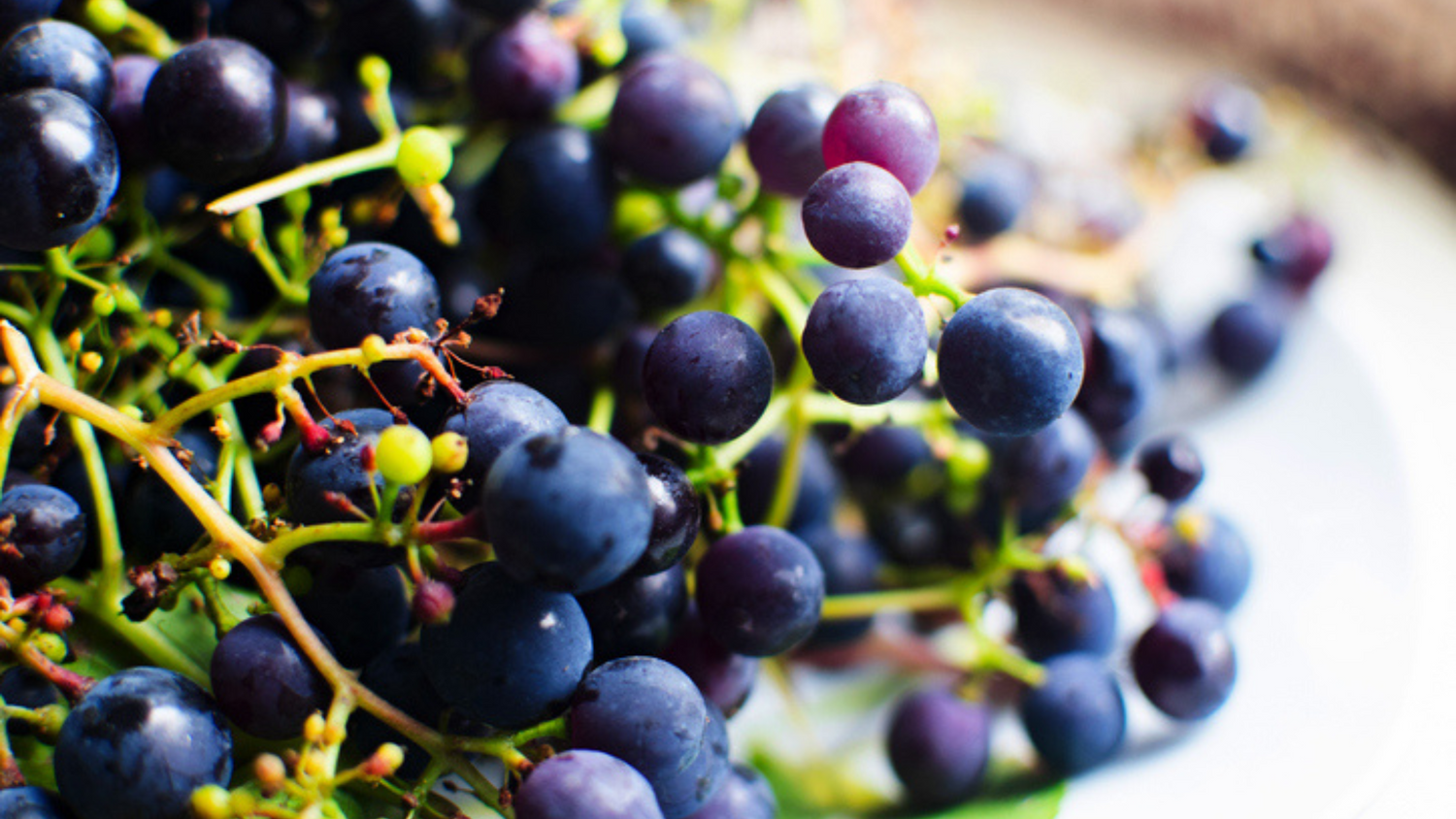
Resveratrol is a polyphenolic compound found in grapes, berries, and peanuts. It has been studied extensively for its effects on cell signalling, metabolic regulation, and oxidative stress responses.
Resveratrol interacts with NAD⁺-dependent enzymes known as sirtuins, particularly SIRT1, which help regulate cellular metabolism, mitochondrial function, and inflammation (R). By enhancing sirtuin activity, resveratrol has been proposed to support metabolic efficiency and healthy aging — currently most findings are based on animal or cell studies.
NMN and Resveratrol Together
Researchers have explored whether combining NMN (as a NAD⁺ booster) and resveratrol (as a sirtuin activator) may enhance NAD⁺-related metabolic processes.
In experimental models, the two compounds appear to act synergistically: NMN increases NAD⁺ availability, while resveratrol promotes its utilisation by activating NAD⁺-dependent enzymes. Reviews highlight this interaction as a promising area for further study in metabolic health and longevity research (R).

However, direct evidence from human studies remains limited, and most findings come from laboratory and animal experiments designed to clarify mechanisms rather than health outcomes.
NAD⁺ Metabolism Across Different Tissues
The regulation of NAD⁺ metabolism varies between tissues. Studies in mice have shown that NAD⁺ biosynthetic enzyme activity differs significantly across the liver, muscle, and adipose tissue, depending on diet and metabolic state (R).
This tissue-specific variation highlights the complexity of NAD⁺ homeostasis and underscores why interventions like NMN supplementation may have different effects across organs.
Sirtuins and NAD⁺-Dependent Enzymes
Sirtuins (SIRT1–7) are enzymes that require NAD⁺ to function. They are involved in metabolic regulation, cellular stress response, and adaptation to energy availability.
As NAD⁺ levels decline with age, sirtuin activity decreases — contributing to mitochondrial dysfunction and cellular aging. Increasing NAD⁺ through NMN supplementation has been shown to restore sirtuin function, reduce oxidative stress, and improve mitochondrial health in cell and animal studies (R,R).
Interpreting Research
Most NMN and resveratrol studies to date are preclinical, meaning they are performed in laboratory or animal models. While these studies provide valuable insight into how NAD⁺-related pathways function, they do not directly establish health outcomes in humans. Early clinical data suggest that NMN can safely raise NAD⁺ levels, but the long-term effects on ageing, metabolism, and disease prevention remain under investigation (R).
Conclusion
NMN and resveratrol remain at the forefront of research into cellular energy metabolism and ageing.
- NMN serves as a key precursor that replenishes NAD⁺ levels.
- Resveratrol acts as a modulator of NAD⁺-dependent enzymes, particularly sirtuins.
Together, they contribute to our understanding of how NAD⁺ supports normal cellular function, though much remains to be discovered about their combined effects in humans.