
Key Takeaways
- mTOR is a cellular signalling pathway that helps regulate growth, repair and energy use.
- Research suggests balanced mTOR activity supports healthy ageing by allowing cells to alternate between growth and maintenance.
- Lifestyle factors such as regular exercise, quality sleep and a balanced diet naturally influence mTOR activity throughout the day.
↓ Jump to
📖 5 min read- What is mTOR?
- Why scientists call it an ageing switch
- Growth and repair need to stay in balance
- Exercise naturally influences mTOR
- mTOR responds to the foods you eat
- mTOR and mitochondria work together
- Everyday habits that support healthy cellular signalling
- What researchers are studying next
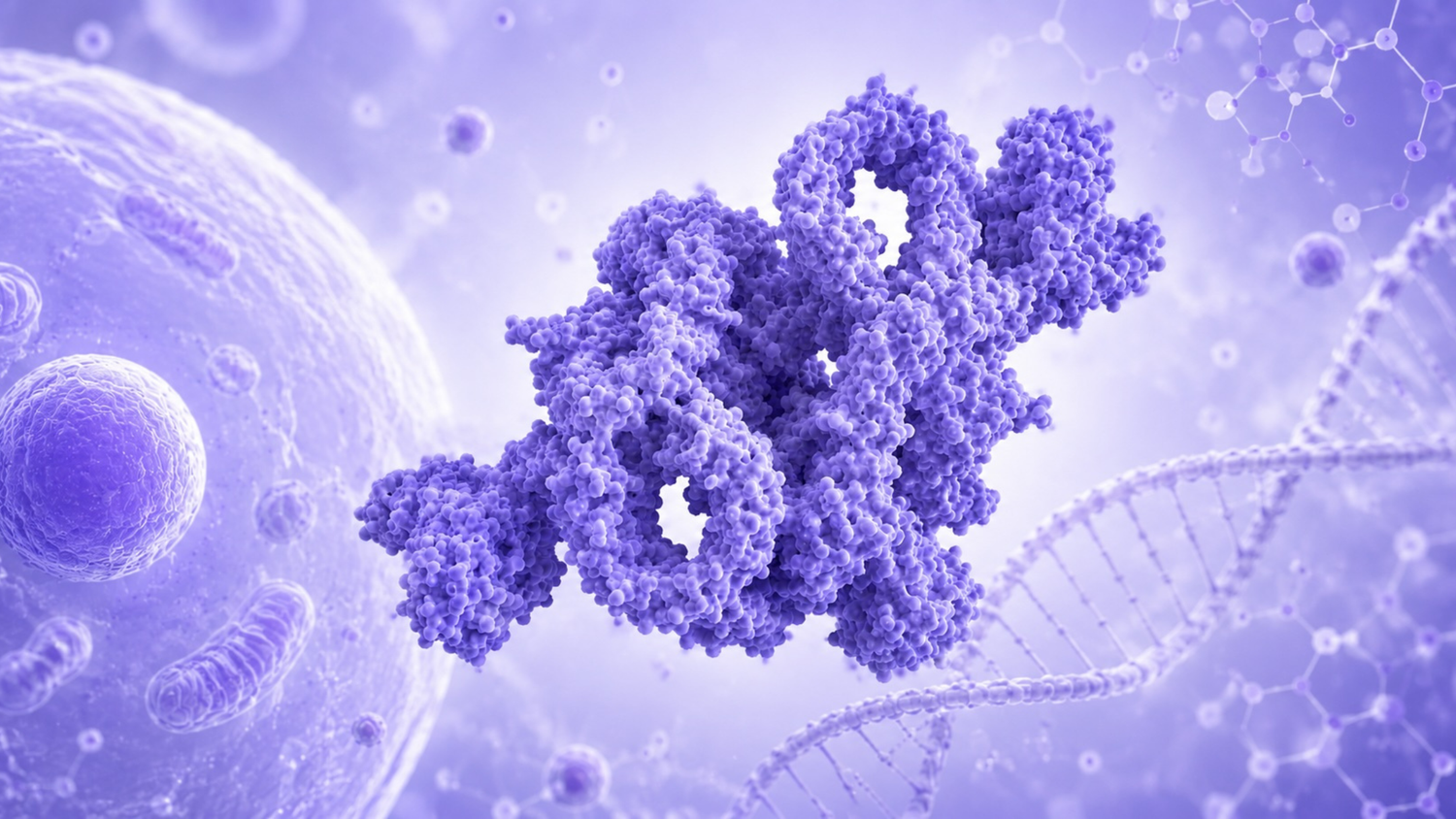
What if your body had a biological switch that helped decide whether your cells focused on growth or repair? Scientists have identified a protein complex called mTOR (mechanistic Target of Rapamycin) that acts as one of the body’s key nutrient- and energy-sensing complexes.
Rather than controlling ageing on its own, mTOR helps cells respond to the availability of nutrients, physical activity and energy demands. Research suggests that maintaining healthy regulation of mTOR is associated with healthy ageing and longevity across multiple species (R). While the science continues to evolve, understanding mTOR offers a fascinating glimpse into how your everyday habits may influence the way your body ages.
What Is mTOR?
Before exploring why mTOR matters, it helps to understand what it actually does. mTOR stands for mechanistic Target of Rapamycin, a protein complex found in almost every cell in your body. Its role is remarkably simple in principle. It constantly monitors information about:
- nutrient availability
- energy levels
- oxygen supply
- hormones
- physical activity
- cellular stress
Using this information, mTOR helps determine whether cells should focus on growth and protein production or shift their attention towards maintenance and repair. Rather than acting as an on-off switch, mTOR functions more like a sophisticated control centre, continuously adjusting cellular priorities according to your body’s needs.

Think of mTOR as a Cellular Control Centre
mTOR continuously senses signals such as nutrients, energy availability, hormones and physical activity. It uses this information to help cells decide when to prioritise growth and when to focus more on maintenance and repair.
Why Scientists Call It an Ageing Switch
mTOR has attracted enormous interest because it influences many biological processes linked with healthy ageing. These include:
- protein synthesis
- muscle maintenance
- immune function
- metabolism
- mitochondrial health
- cellular recycling
Researchers now consider altered nutrient sensing, including the mTOR pathway, one of the recognised Hallmarks of Ageing (R). The goal is not to completely suppress mTOR. Healthy ageing appears to depend on maintaining an appropriate balance between periods of growth and periods of cellular maintenance.
Growth and Repair Need to Stay in Balance
Growth is essential throughout life. When you recover from exercise, heal after an injury or build muscle, mTOR helps coordinate protein production so tissues can repair and strengthen themselves.
However, cells also need opportunities to carry out internal housekeeping. One of the body’s most remarkable maintenance systems is autophagy. Autophagy is a natural cellular recycling process in which damaged proteins and worn-out cell components are broken down and reused.
When nutrients are plentiful, mTOR activity generally increases and autophagy slows. During periods of lower nutrient availability, autophagy becomes more active, allowing cells to remove damaged components and recycle valuable building blocks (R). Scientists believe this ongoing balance between growth and repair is one reason mTOR has become such an important focus in longevity research.
What Is Autophagy?
Autophagy is a natural cellular recycling system. It helps cells break down damaged proteins and worn-out components so their building blocks can be reused, supporting normal cellular maintenance and function.
Exercise Naturally Influences mTOR
Physical activity is one of the most powerful natural regulators of mTOR. Resistance training temporarily activates mTOR within muscles, stimulating protein synthesis that helps maintain muscle strength and function. Meanwhile, aerobic exercise activates another important energy sensor called AMP-activated protein kinase (AMPK).
AMPK helps cells respond when energy levels are lower and works alongside mTOR to maintain metabolic balance. Rather than opposing one another, AMPK and mTOR continually communicate to ensure your body responds appropriately to changing energy demands (R). This dynamic interaction helps explain why combining strength training with regular aerobic activity supports healthy ageing.

Different Exercise Sends Different Signals
Resistance exercise can temporarily stimulate mTOR signalling in muscle, supporting protein synthesis and recovery, while aerobic activity influences energy-sensing pathways such as AMPK. Both form part of the body’s normal response to exercise.
mTOR Responds to the Foods You Eat
Every meal provides your cells with information. Protein, carbohydrates and fats all influence cellular signalling, but amino acids—particularly leucine—are among the strongest natural activators of mTOR. This is one reason dietary protein is important for maintaining muscle mass as we age (R).
At the same time, your body naturally experiences periods between meals when nutrient availability falls and different repair pathways become more active. Researchers increasingly view this natural rhythm, rather than constant activation of any single pathway, as an important feature of healthy metabolism.
mTOR and Mitochondria Work Together
Another fascinating aspect of mTOR biology involves the mitochondria. Mitochondria are the tiny structures inside cells responsible for producing adenosine triphosphate (ATP), the body’s primary energy molecule. Healthy communication between mTOR and mitochondria helps coordinate:
- energy production
- protein turnover
- nutrient use
- cellular adaptation
Research suggests disruptions in this communication may contribute to some of the biological changes associated with ageing, making mitochondrial health another major focus of longevity science (R).
Why Mitochondria Matter
Mitochondria produce the ATP your cells use for energy. Their communication with nutrient- and energy-sensing pathways such as mTOR helps cells adjust energy production and function according to changing demands.
Everyday Habits That Support Healthy Cellular Signalling
Although researchers continue investigating mTOR, many well-established healthy lifestyle habits naturally support balanced cellular function. These include:
- regular physical activity
- eating a balanced, nutrient-rich diet
- prioritising quality sleep
- maintaining a healthy body weight
- managing psychological stress
- avoiding smoking
These habits influence numerous biological pathways simultaneously, not just mTOR, helping support overall health and vitality. Rather than focusing on a single “anti-ageing switch”, scientists increasingly emphasise supporting the body’s interconnected biological systems.
Focus on the Bigger Picture
There is no need to try to “hack” one cellular pathway. Exercise, nutritious food, restorative sleep and other healthy habits influence many interconnected systems at once and help support normal cellular function over time.
What Researchers Are Studying Next
Interest in mTOR continues to grow because it connects so many areas of ageing research. Scientists are currently investigating how mTOR interacts with:
- biological age
- immune function
- inflammation
- stem cell biology
- protein quality control
- healthy lifespan
Much of this research remains experimental, but it is helping build a more complete understanding of the complex biology that underpins healthy ageing (R). Each new discovery reinforces an important message: ageing is influenced by many interacting biological systems rather than one single mechanism.
The Bottom Line
mTOR is sometimes described as the body’s hidden ageing switch because it helps coordinate growth, repair and energy use inside your cells. Rather than needing to be switched on or off, healthy ageing appears to depend on maintaining a natural balance between these processes. Everyday habits such as regular exercise, nutritious eating, restorative sleep and stress management all contribute to that balance.
Want to learn more about what influences your biological age? Read our related blog: The Biology of Ageing: What Science Reveals.