
Key Takeaways
- A longevity-focused breakfast can include protein, healthy fats, fibre, antioxidant-rich foods, and, if appropriate for you, supplements such as NMN.
- Balancing low-GI carbohydrates with protein and healthy fats stabilises blood sugar and fuels long-term energy.
- Some research suggests time-restricted eating may support metabolic health for some people, although more research is needed.
They say success is built on small, consistent habits. What if your daily breakfast could become one of those steps toward a longer, healthier life? With the right combination of nutrients and strategically timed longevity supplements, breakfast can fuel your body and provide nutrients that support overall health as you age. Here’s how to craft a longevity-boosting breakfast that sets the tone for a vibrant day.
A Lesson from the Blue Zones
Did you know that people living in Blue Zones—regions with the highest life expectancies—start their mornings with simple, whole foods like sourdough bread, oats, eggs, nuts, and fruit? Researchers believe their overall dietary patterns and lifestyles may contribute to their long lifespans(R).
But you don’t need to live in Okinawa or Sardinia to benefit from their wisdom. Let’s break down what you can include on your plate, and when to take key longevity supplements, to support healthy ageing.
Start Your Morning with Protein
Protein isn’t just for gym-goers—it’s crucial for healthy ageing and longevity. As you age, muscle mass naturally declines, increasing the risk of sarcopenia (age-related muscle loss) and frailty. By including 20-30 grams of high-quality protein at breakfast, you can help slow muscle loss, support repair, and improve metabolism (R).

Why Protein Matters for Longevity
Protein provides amino acids like leucine, which triggers muscle protein synthesis. Studies show that protein-rich breakfasts also keep you fuller for longer and help stabilise blood sugar levels throughout the day (R). This balance is essential for preventing metabolic diseases like diabetes, which can accelerate ageing.
Top Protein Picks for Breakfast
- Greek yogurt or kefir: Rich in protein and probiotics for gut health
- Eggs: Contain choline, which supports brain function
- Chia seeds: Deliver protein and omega-3 fatty acids
- Plant-based options: Tempeh, tofu, or sprouted protein powders
Fibre and Low-GI Carbohydrates: The Blood Sugar Balancers
Maintaining healthy blood sugar levels is an important aspect of overall health. Frequent large fluctuations in blood glucose have been associated with increased oxidative stress and other health risks (R). Fibre slows the release of glucose into the bloodstream, providing sustained energy and reducing the risk of chronic disease.
The Role of Fibre in Ageing
Fibre feeds beneficial gut bacteria, promoting a healthy microbiome. Since gut health is linked to immunity, inflammation regulation, and mental wellbeing, fibre is a cornerstone of longevity (R). Aim for at least 25 grams of fibre per day, with breakfast as a key contributor.
Best Low-GI and Fibre-Rich Choices
- Steel-cut oats: A slow-digesting carbohydrate packed with beta-glucan for heart health
- Quinoa or buckwheat porridge: High in fibre and plant protein
- Berries: Rich in fibre and antioxidants, with a low glycaemic impact
- Whole grain sourdough: Fermented grains support gut health while stabilising blood sugar

Healthy Fats: Fighting Inflammation and Ageing
Healthy fats are not to be feared; they are an important part of a balanced diet. Omega-3 fatty acids found in foods like chia seeds, flaxseeds, and walnuts are known for their anti-inflammatory properties, making them essential for reducing the risk of chronic diseases like heart disease and dementia (R).
Fats for Brain and Cellular Health
Fats are vital for maintaining the integrity of cell membranes and supporting brain function. They also play a role in absorbing fat-soluble vitamins like A, D, E, and K, which protect your cells from damage and support healthy skin (R).
Powerful Fat Sources to Include
- Avocado: Packed with monounsaturated fats and potassium
- Nuts and seeds: Almonds, walnuts, and pumpkin seeds provide a nutrient-dense crunch
- Olive oil drizzle: Rich in antioxidants and heart-protective compounds
Antioxidants: The Cell Protectors
No longevity breakfast is complete without antioxidants. These compounds combat free radicals, unstable molecules that cause oxidative damage to cells, leading to premature ageing, wrinkles, and chronic disease (R). The key is to include a variety of colourful foods rich in vitamins C and E, polyphenols, and flavonoids.
Antioxidant Superstars for Your Morning
- Berries: Blueberries, strawberries, and raspberries are rich in flavonoids
- Dark leafy greens: Spinach and kale provide lutein and zeaxanthin for eye health
- Green tea or matcha: A powerhouse of polyphenols that protect cells

When and How to Take Longevity Supplements
If NMN (Nicotinamide Mononucleotide) is part of your supplement routine, taking it consistently and following the product directions is important. If you choose to take NMN, follow the directions on the product label. Consistency is generally more important than the specific time of day.
NMN: Take with water as directed on the product label. It can be taken on its own or with breakfast if that feels more comfortable for you.
Supplements should complement a balanced diet and healthy lifestyle. Speak with a healthcare professional before starting a new supplement, particularly if you are pregnant, breastfeeding, taking medication, or managing a health condition.
Fermented Foods: Supporting Gut Health for Longevity
Fermented foods like yogurt, kefir, and miso provide beneficial probiotics that enhance gut diversity, improve nutrient absorption, and reduce inflammation (R). A healthy gut supports both immunity and mental wellbeing, making it essential for long-term health.
Hydration: Don’t Skip This Crucial Morning Habit
Dehydration can exacerbate ageing by reducing skin elasticity, affecting cognition, and impairing the body’s natural detoxification processes (R). Start your morning with a glass of water, infused with lemon or apple cider vinegar for added antioxidants.
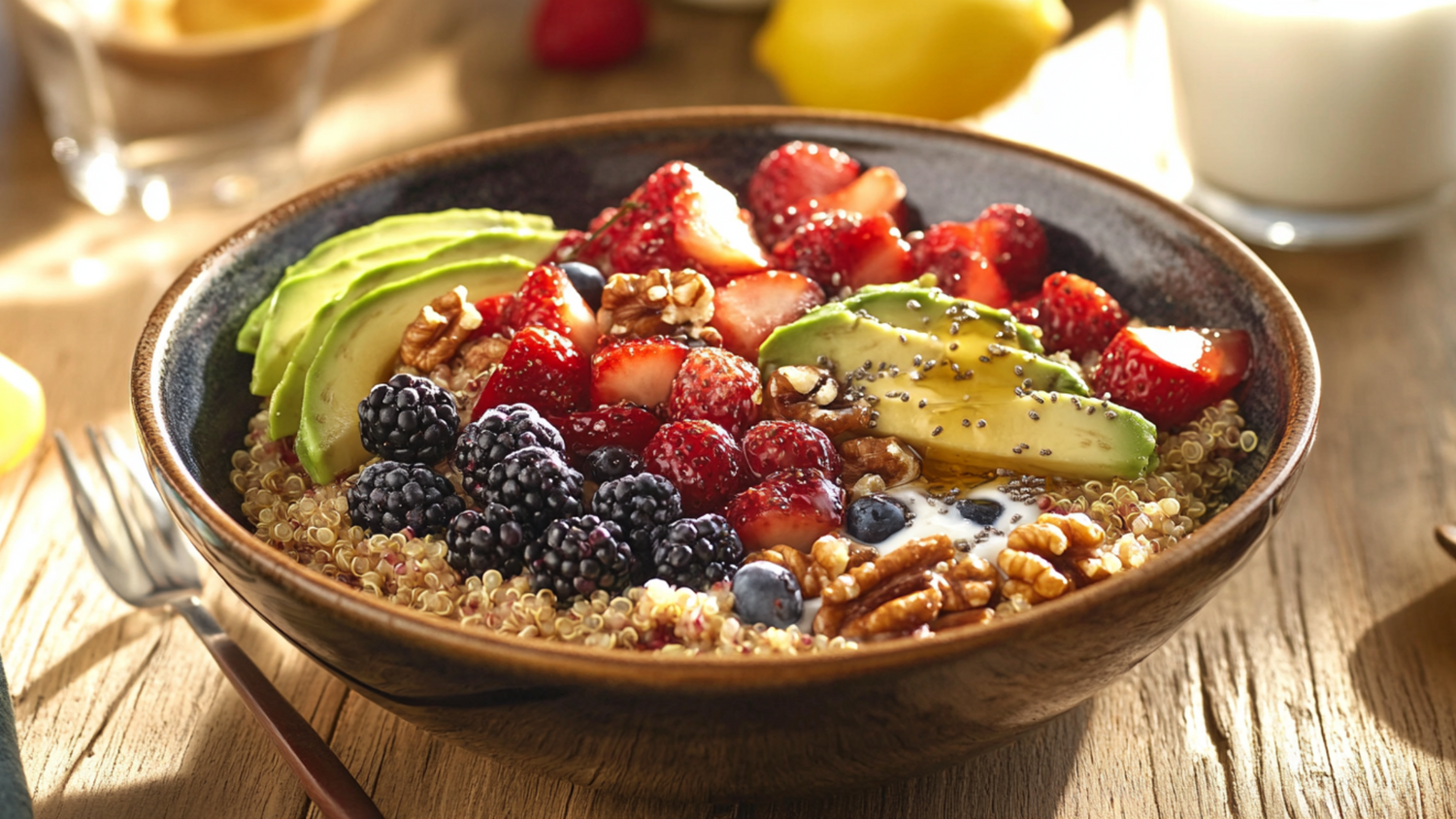
Creating a Longevity Breakfast Bowl: A Simple Recipe
- Base: Steel-cut oats or quinoa
- Protein: Greek yogurt or a scoop of sprouted protein powder
- Healthy fats: Chia seeds, walnuts, or avocado
- Antioxidants: Mixed berries and a drizzle of honey
- Gut-friendly topping: A dollop of kefir or spoonful of miso paste
- Supplements: NMN with water

Balancing Fasting with a Longevity Breakfast
Maintaining a fasting routine doesn’t mean you have to skip the benefits of a longevity-focused breakfast—both can work hand in hand for optimal health.
- Time-Restricted Eating: Fast overnight for 12-16 hours (e.g., 7 PM to 11 AM) and hydrate with water or herbal tea in the morning.
- Breaking the Fast: Start with a protein- and fibre-rich breakfast like oats, Greek yogurt, or chia seeds to stabilize blood sugar.
- Supplements: Take NMN during fasting or with breakfast
- Low-Calorie Days: 1-2 days per week, reduce breakfast calories or skip it to enhance metabolic flexibility and cellular repair.
With the right balance of fasting and nutrient-dense meals, you can support cellular repair, improve metabolic health, and set the foundation for healthy ageing.
Consistency is Key to Longevity
Crafting a longevity-focused breakfast doesn’t require drastic changes—just a commitment to nourishing your body every morning. Think of each meal as an investment in your future self. Small, consistent changes, like adding protein, fibre, antioxidants, and supplements, can lead to significant long-term benefits.
For more tips on healthy ageing and optimising your nutrition, read this blog: The Best Foods for Longevity.