Key Takeaways
-
Strong toe-grip strength is associated with fewer falls in older adults, suggesting toe strength plays a measurable role in balance and fall-risk reduction.
-
Toe grip strength tends to decline earlier than larger lower-limb and hand muscles as you age, making it a sensitive early marker of mobility risk.
- While toe strengthening shows promise, fall prevention remains multifactorial. Toe-specific exercise can complement (but not replace) broader interventions.
Did you know your toes are busy doing more than just keeping sandals on? The muscles in your toes help you grip the ground when you stand or walk. They’re little stabilisers that quietly support your balance. As you grow older, these toe muscles may weaken, and emerging evidence suggests that weaker toe grip strength may be linked to a higher risk of falls. Let’s dive into the science of whether toe strength can really help prevent falls.
Why toe-strength matters for balance and falls
Your toes—especially the flexor muscles beneath the forefoot—play a role in stabilising when you stand, adapt to uneven surfaces and initiate push-off when walking. Loss of strength in these muscles can impair those subtle functions. For example, a Japanese study of community-dwelling older adults found that greater toe grip force of the dominant foot was independently associated with lower fall risk (R).
Another study points out that toe grip strength (TGS) declines earlier than hand grip or knee extension strength. Specifically, in men aged 65-94, TGS was already significantly lower in groups 70-74 years and older, whereas hand and knee extension strengths declined later (R).
This early decline suggests that toe strength may act as an early warning sign of mobility or balance decline. Because toes are the most distal lever in the lower‐limb chain, weakness here can propagate up to gait instability and fall susceptibility.
What does the research show about toe strength and falls?
One cross‐sectional study involving older adults with knee osteoarthritis (KOA) found that weaker toe grip strength on the affected side was significantly associated with history of falls. In logistic regression, each 1 kg decrease in TGS was associated with ~8% greater odds of a fall (OR ≈ 0.922 per kg)(R).
Another study measured toe grip strength, hand grip and knee extension in older men and women and found that the decline pattern differed: toe grip strength declined earlier than the other measures, pointing to its sensitivity as a marker of muscle weakness with ageing (R).
A further study examining toe grip force of the dominant foot in older adults found that only the dominant foot’s toe grip force was significantly associated with fall risk (p<0.05) when adjusting for age, sex and plantar sensation (R).
Together, these findings suggest a link between toe strength and falls. However, it’s important to note that most studies are cross-sectional (snapshot in time), so causality cannot be firmly established. But they provide strong associative evidence.

How does toe strength work alongside other fall-risk factors and interventions?
Fall risk is multifactorial. Muscle weakness, impaired balance, slow gait, sensory decline (especially in the feet), foot problems (e.g., hallux valgus) and decreased ankle/foot mobility all contribute. For instance, intrinsic foot muscle weakness has been linked to toe deformities and poorer reaction time.
Given that toe grip strength is linked to foot posture and function, it complements these other factors. Because TGS appears to decline early, you may use it as an early screen to explore broader fall-prevention strategies. But crucially, strengthening toes alone is not sufficient. Interventions should still include lower-limb strength, balance training, footwear review, gait training, and environmental hazard management.
Practical strategies for improving toe strength
Now look into how you might apply the research to everyday life, but remember, always check with a health professional before starting a new regimen.
Assessment
A dedicated toe‐grip dynamometer is the gold standard for research but less accessible in everyday practice. However, you can conduct simple functional assessments such as marble pickups (using toes to pick up marbles) or short toe‐flexion holds while seated and transferring to standing. While not validated as precise diagnostic tools, they can be practical screening points.
Exercises
Here are some evidence-informed suggestions:
-
Toe-grip holds: Sitting with feet flat, engage toes by trying to “grip” the floor or a towel under your toes for 5-10 seconds, repeat 10-15 times.
-
Marble pickup: Scatter small objects like marbles or pebbles and pick them up using the toes and place into a container. Do 1-2 minutes per foot.
-
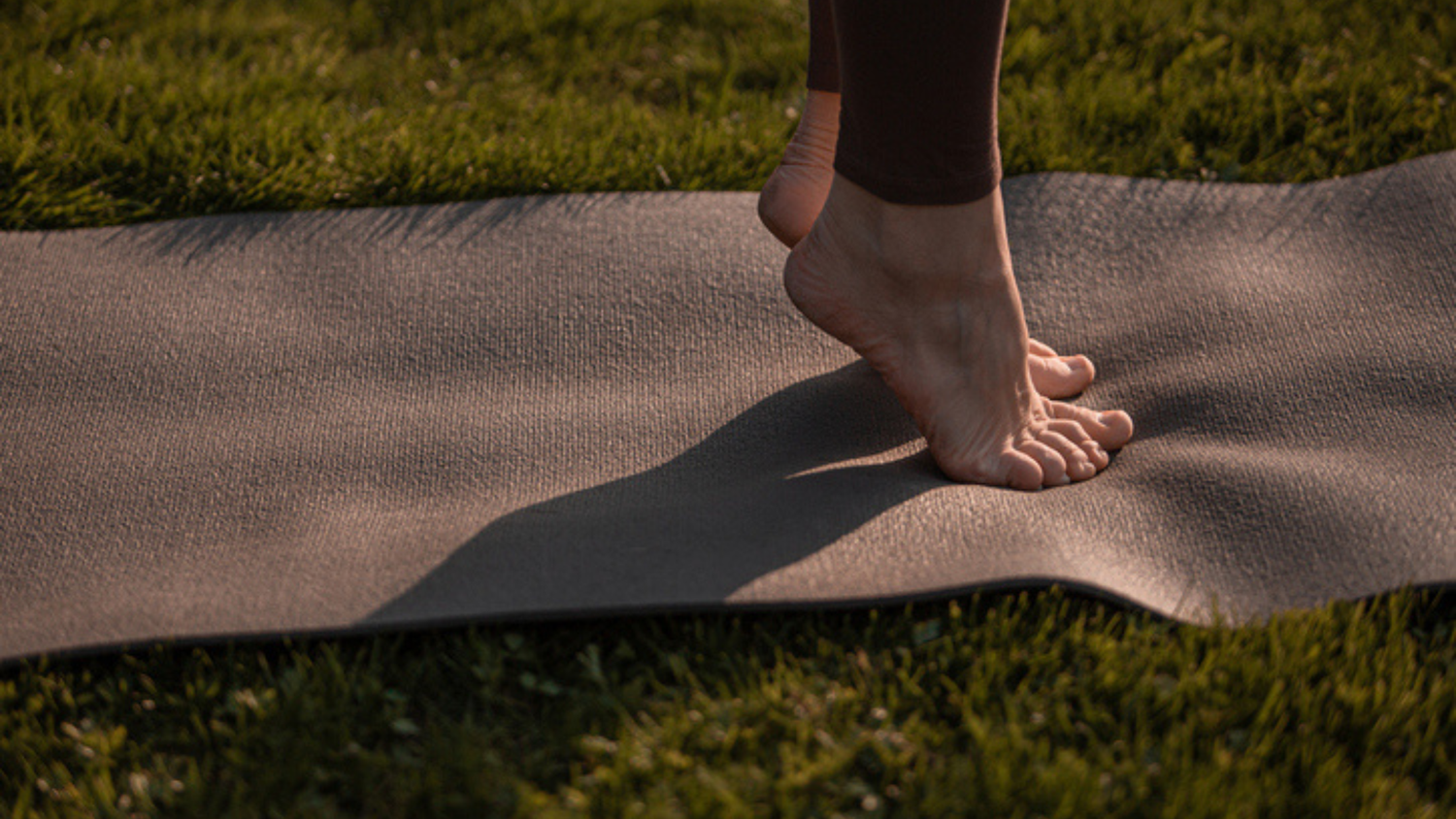
Short-lever toe presses: Stand near a wall for balance, rise onto toes (heel ≤ ground), hold 5 seconds, lower slowly — emphasise letting toes “spread” and press into floor.
-
Barefoot or wide toe‐box shoe walking: When safe and appropriate, walking in shoes that allow toe splay or barefoot on safe surfaces may stimulate intrinsic foot muscles and proprioception.

Evidence of benefit
While research directly on toe training and fall prevention is still emerging, one study of patients after total knee arthroplasty found that toe grip strength training led to improved timed up and go (TUG) times and fewer falls over 3–12 months (though the population is specific to post-surgery)(R).
Thus, encouraging toe‐strength work appears plausible and low‐risk, particularly as part of a broader foot and balance programme.
Tips for ageing feet
- Choose shoes with a wider toe box, allowing natural toe spread; narrow, pointed toe boxes may inhibit toe muscle activation and proprioception.
- Monitor and treat foot conditions (e.g., hallux-valgus, toe deformities, nail issues) as they can impair toe muscle function and thus balance.
- Progress gradually; toes can fatigue and fuss, so start modestly and build up.
Ageing feet and toe strength: what to watch out for
Research shows the decline in toe grip strength may begin earlier than declines in hand grip or knee extension strength. For example, one cross-sectional study found in men ≥70 years toe grip strength was already significantly lower than the 65-69 group, while knee extension strength showed less age-group difference (R).
Possible mechanisms include: distal (toe) muscles having less usage/reserve, lower postcardinal activation, atrophy of intrinsic foot muscles (observed through reduced muscle thickness in toe deformities) and sensory decline in foot sole. All these compromise foot/ankle stability, increasing susceptibility to trips or slips.
Foot posture changes (e.g., flattening arches, toe deformities) also reduce the efficiency of toe muscles in providing ground reaction and balance adjustments. These changes mean toes may no longer perform their “tiny anchor” role as effectively, potentially elevating fall risk.
Final thoughts
So, can toe strength prevent falls? The evidence says: it likely contributes to lower fall-risk, particularly in older adults, and is a promising component of a multi-modal fall-prevention strategy. It’s not the full answer — strengthening thighs, hips, core, improving balance, gait and managing footwear & environment remain essential. But giving your toes a little attention can bolster your footing, quite literally.
Feeling encouraged? Explore our next blog on grip strength: 3 Exercises to Improve Your Grip Strength for Healthy Ageing.