
Key Takeaways
- NMN is a precursor to NAD⁺, a coenzyme involved in normal cellular metabolism.
- Resveratrol is a plant-derived polyphenol studied for its interaction with cellular signalling pathways.
-
Research has examined how these compounds are absorbed and metabolised, rather than defining specific intake protocols.
Did you know that the way a compound is absorbed can influence how researchers study its behaviour inside cells? In laboratory settings, scientists carefully examine how molecules such as NMN and resveratrol move through the digestive system and participate in metabolic pathways. As interest in these compounds grows, many people naturally ask how they are typically taken. Let’s explore what research actually tells us about administration and metabolism.
Oral Administration in Research Settings
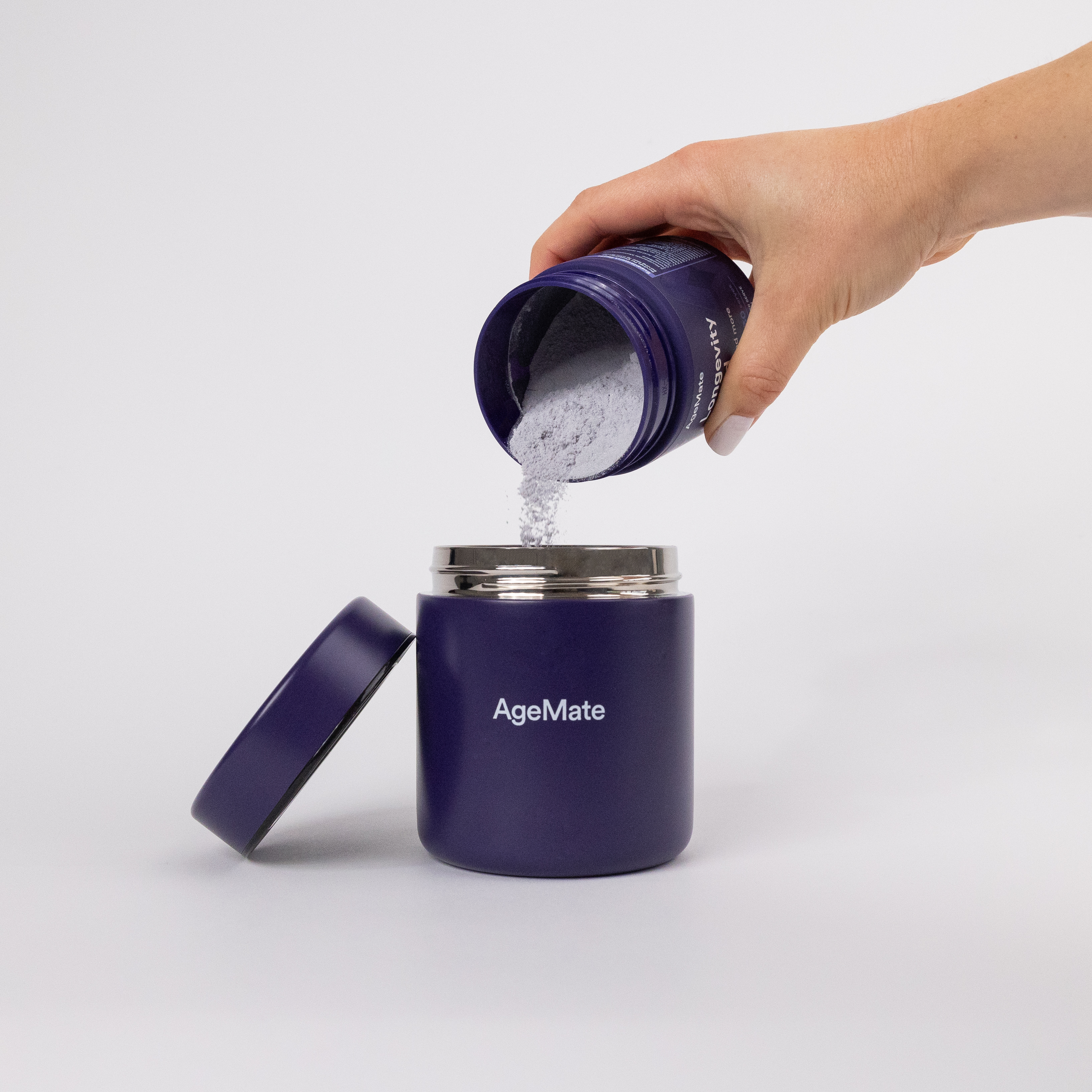
When scientists study NMN and resveratrol in humans, they are most commonly administered orally (R). This means they are consumed and absorbed through the digestive system. NMN is a water-soluble molecule. After ingestion, it is absorbed in the small intestine and participates in the NAD⁺ salvage pathway (R). Studies have explored how NMN circulates and is converted into NAD⁺ through enzymatic reactions.
Resveratrol, by contrast, is a polyphenol that undergoes metabolism in the liver and intestinal tissues after ingestion. Researchers examine how it is transformed into metabolites and how those metabolites interact with cellular signalling systems (R). These studies are designed to observe metabolic behaviour, not to prescribe specific usage routines.
Absorption and Metabolic Pathways
Here’s where it becomes particularly interesting. NMN participates directly in NAD⁺ biosynthesis once inside cells. Certain transport mechanisms, including SLC12A8 in some tissues, have been identified as facilitating NMN uptake (R).
Resveratrol has been studied for its interactions with NAD⁺-dependent enzymes, such as SIRT1, in laboratory models (R). Because sirtuins require NAD⁺ to function, researchers sometimes explore how NMN and resveratrol intersect within the same metabolic framework. Importantly, this research describes biochemical interaction — not behavioural recommendations.
Timing and Food Context in Studies
In human clinical studies, NMN and resveratrol are typically administered orally under controlled conditions (R, R). Researchers often standardise whether participants take them in a fasted or fed state. This is done to reduce variability and accurately measure how the compounds appear in the bloodstream — not to define ideal intake routines.
Many NMN studies assessing blood NAD⁺ metabolites use fasting protocols to clearly observe absorption and conversion through the NAD⁺ salvage pathway. NMN is water-soluble and absorbed in the small intestine, where it participates in NAD⁺ biosynthesis once inside tissues (R).

Resveratrol is also commonly studied under standardised conditions. After ingestion, it is absorbed and rapidly metabolised in the intestine and liver into various metabolites (R). Researchers examine these transformations to understand their biological behaviour. Food intake can influence:
- Gastric emptying
- Intestinal transit time
- Liver metabolism
- Peak plasma concentrations
These factors are controlled in trials to improve measurement accuracy. They do not establish universal timing or food guidelines for individuals. Some emerging research also explores how NAD⁺ metabolism interacts with circadian biology, as NAD⁺ levels naturally fluctuate throughout the day. However, current evidence describes cellular mechanisms rather than recommending specific times of use (R).
Overall, research focuses on absorption and metabolic pathways under standardised conditions. It does not define prescribed timing or food protocols outside the research setting.
Why Dosage and Protocols Differ in Research
Another common question relates to amounts and frequency. In scientific studies, intake levels are selected based on research design, safety parameters and the biological markers being measured (R).
These intake levels are not automatically transferable to general use. Clinical studies aim to observe biochemical responses under defined conditions. Because human metabolism varies between individuals, research findings are interpreted at a population level rather than as personalised guidance.
Combining NMN and Resveratrol in Research
Some experimental studies have examined NMN and resveratrol together to observe changes in NAD⁺-related markers in tissues such as skeletal muscle and cardiac tissue (R).
In these contexts, researchers measure biochemical outcomes such as NAD⁺ concentration, mitochondrial enzyme activity and gene expression patterns. It’s important to recognise that these findings describe laboratory observations. They do not define practical routines outside the research setting.
The Bigger Picture: Cellular Metabolism Through Life
As the years pass, NAD⁺ metabolism and mitochondrial dynamics continue to operate as part of the natural ageing process. Lifestyle factors such as nutrition, movement and sleep also interact with these systems.
Research into NMN and resveratrol adds to scientific understanding of how cellular pathways function. These investigations focus on molecular biology rather than lifestyle prescriptions. Understanding this distinction allows you to interpret emerging science with clarity.
Bringing It All Together
When asking “How to take NMN and resveratrol?”, research indicates that these compounds are typically studied via oral administration under controlled conditions. NMN participates in NAD⁺ biosynthesis pathways, while resveratrol has been explored for its interaction with NAD⁺-dependent signalling systems. Scientific investigations describe how these molecules are absorbed and metabolised. At present, research focuses on biochemical mechanisms rather than defining universal intake protocols.
Disclaimer
This content is provided for general educational purposes only and does not constitute medical advice. NMN is not approved for the prevention, treatment, or cure of any disease or medical condition. Always consult a qualified healthcare professional before making changes to your health routine.