Key Takeaways
- The cookware you choose can influence the nutrient content of your meals, particularly minerals such as iron.
- How you cook is often just as important as what you cook, with lower-temperature and moisture-rich methods helping to preserve beneficial compounds.
- Durable cookware such as stainless steel and cast iron can support healthy cooking habits that align with long-term wellbeing.
Have you ever wondered whether the saucepan on your stove could influence your health? It may sound surprising, but research suggests that the cookware and cooking methods you use can affect nutrient availability, the formation of certain compounds in food, and even important health biomarkers linked to healthy ageing.
While no single frying pan holds the secret to longevity, the choices you make in the kitchen can help create meals that support vitality, energy and wellbeing for years to come. Let’s explore what science says.
Why Your Cooking Choices Can Support Healthy Ageing
The food on your plate is only part of the story. The way ingredients are heated, the temperatures used, and the cookware involved can all influence the final nutritional value of a meal.
Scientists have found that different cooking methods are associated with changes in inflammatory markers, kidney health markers and vitamin D levels in older adults. In a study of more than 2,400 adults aged 65 and over, cooking methods such as boiling, pan-frying and toasting were associated with more favourable biomarker profiles compared with some other cooking approaches (R).
This highlights an encouraging message. Small everyday decisions in the kitchen may contribute to a healthier internal environment over time. Importantly, cookware is only one piece of the puzzle. A balanced diet rich in vegetables, legumes, fruits, whole grains and quality protein remains the foundation of healthy ageing.

The Surprising Relationship Between Cookware and Nutrients
One of the most fascinating aspects of cookware research is that some cooking vessels can transfer small amounts of minerals into food. This process is known as leaching. While the word may sound concerning, in some cases it can actually increase the nutritional value of a meal.
The best-known example is cast iron cookware. During cooking, small amounts of iron can move from the pan into food, particularly when cooking acidic ingredients such as tomatoes. A systematic review found that iron-containing cookware can increase the iron content of food and may help improve iron status in certain populations (R).
Interestingly, researchers have found that cooking conditions significantly influence how much iron enters food. Higher temperatures, longer cooking times and acidic ingredients can all increase iron release from iron cookware (R). For people looking to maintain healthy iron intake through food, this is a fascinating example of how cookware can contribute more than simply heating a meal.
Stainless Steel Cookware and Everyday Wellness
Stainless steel remains one of the most popular cookware materials worldwide, and for good reason. It is durable, corrosion-resistant, and does not react strongly with most foods. High-quality stainless steel contains chromium, which forms a protective surface layer that helps prevent rust and degradation over time.
From a healthy ageing perspective, stainless steel offers consistency and versatility. It performs well across a wide range of cooking methods and allows you to prepare nutrient-rich meals without significantly altering flavour.
Research on cookware interventions has also noted practical advantages of stainless steel, including durability and rust resistance compared with some alternative materials (R). For everyday cooking, stainless steel remains a reliable option that supports a wide variety of healthy eating patterns.
How Cooking Methods May Matter Even More Than the Pan
While cookware receives plenty of attention, the cooking method itself may have an even greater impact on healthy ageing. When foods are exposed to very high temperatures, particularly during repeated frying, roasting or grilling, chemical reactions can create compounds known as advanced glycation end products, or AGEs.
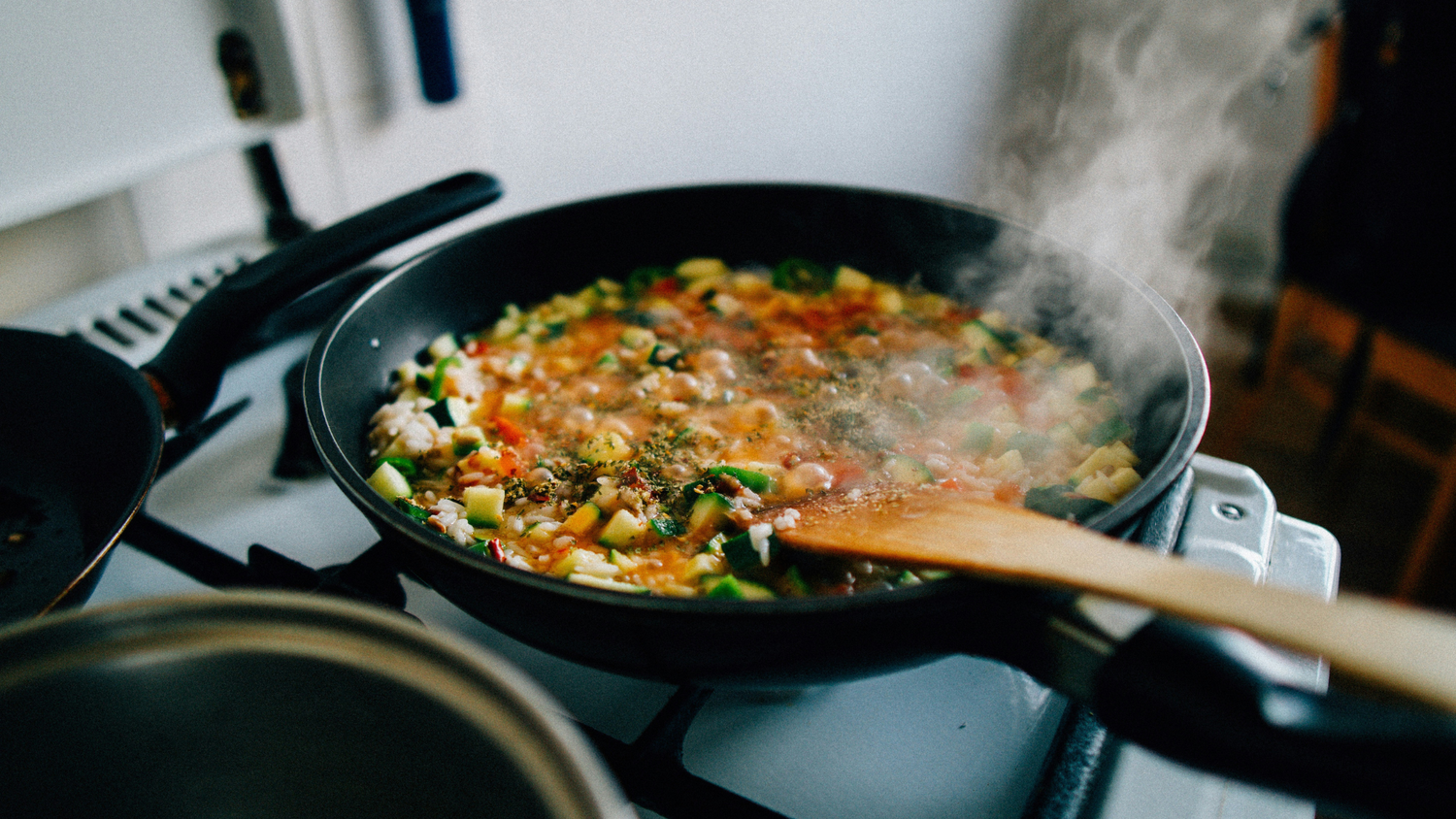
AGEs are naturally formed in the body and are also present in foods cooked at high temperatures. Scientists continue to investigate how dietary AGEs may influence cellular health and ageing processes. Moist cooking methods such as steaming, poaching, stewing and boiling generally produce fewer AGEs than dry high-heat cooking methods. These approaches can also help preserve moisture and improve the overall nutritional quality of meals.

Another interesting finding comes from research examining protein oxidation during cooking. Scientists found that frying led to higher levels of protein oxidation in meat than steaming, which resulted in the lowest levels under comparable cooking conditions (R).
This doesn’t mean you need to avoid your favourite roasted vegetables or grilled fish. Rather, variety is key. Mixing cooking methods throughout the week can help you enjoy both flavour and nutritional benefits.
Choosing Cookware That Supports a Healthy Lifestyle
Rather than searching for a single “perfect” pan, it can be helpful to think about cookware as part of an overall healthy kitchen. Cast iron is excellent for heat retention and may contribute small amounts of dietary iron. Stainless steel offers durability, versatility and long-term performance.
The best cookware is often the cookware that encourages you to cook more meals at home. Home-prepared meals generally provide greater control over ingredients, cooking methods and portion sizes.
A practical kitchen might include:
- A stainless steel saucepan for soups, grains and vegetables
- A cast iron skillet for occasional searing and roasting
- Steamers or large pots for moisture-rich cooking methods
- Cookware that allows comfortable, enjoyable meal preparation
The goal is not perfection. It is creating an environment that makes healthy cooking easy and enjoyable.
Small Kitchen Habits Can Add Up Over Time
One of the most encouraging findings in healthy ageing research is that small, consistent habits often matter more than dramatic changes. The cookware you use may influence nutrient availability and cooking outcomes, but the bigger picture is your daily eating and food preparation patterns.
Choosing nutrient-dense ingredients, using a variety of cooking methods and preparing meals regularly can all contribute to long-term wellbeing. The good news is that many healthy cooking practices are also the most enjoyable. Slow-cooked vegetable soups, hearty stews, lightly steamed greens and home-cooked family meals all align beautifully with healthy ageing principles.
So, Does What You Cook With Matter For Ageing?
The evidence suggests that it can. Cookware may influence nutrient content, particularly iron levels, while cooking methods can affect the formation of compounds linked to cellular health and inflammation. The most powerful approach is to combine quality cookware with nutrient-rich ingredients and a variety of cooking techniques. These simple choices can help you create delicious meals that support vitality and wellbeing at every stage of life.
If you enjoyed this article, be sure to read our related blog on Are Seed Oils Good or Bad for Longevity? to discover more science-backed strategies for supporting healthy ageing through everyday lifestyle choices.