
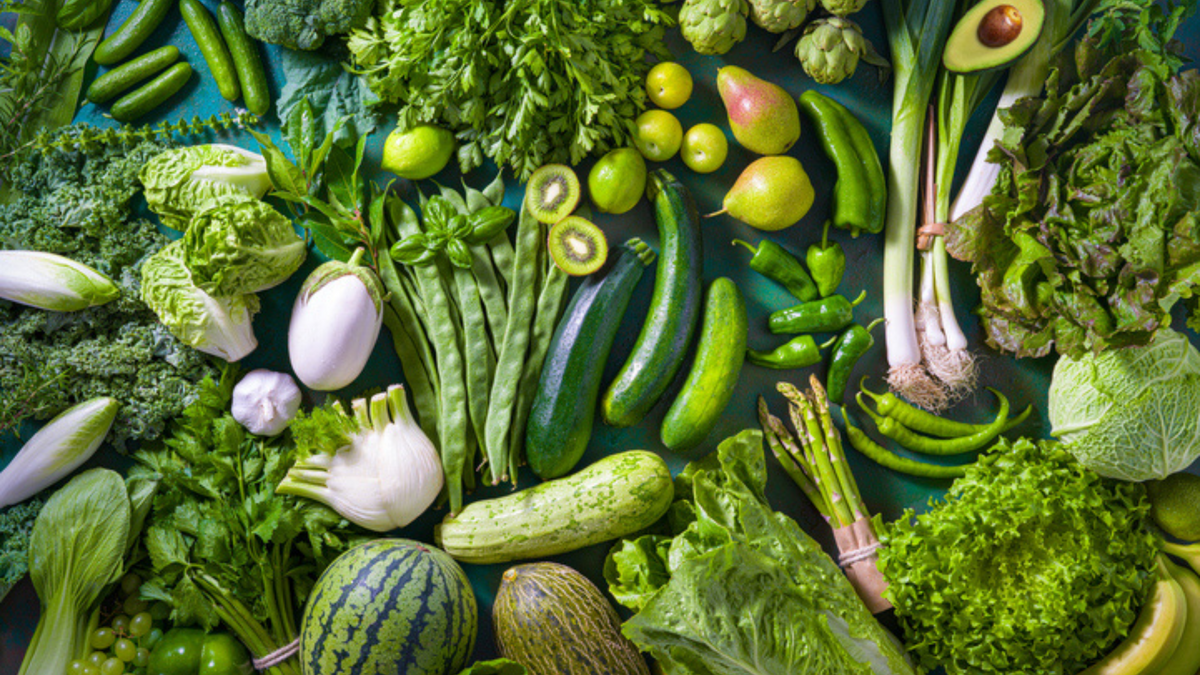
The Short Answer
Eating 30 different plants a week may support gut health by encouraging a more diverse gut microbiome. Research has linked greater plant variety with greater microbial diversity, although scientists haven’t established that 30 is a necessary or optimal number. (R) The interesting part is how different plant fibres interact with the bacteria living in your gut.
↓ Jump to
📖 6 min readWhat if one of the simplest ways to support your gut health was to eat a greater variety of plants? In a landmark study involving thousands of participants, researchers discovered that people who ate more than 30 different plant types each week had a more diverse gut microbiome than those eating 10 or fewer. Interestingly, plant variety appeared more closely associated with microbial diversity than whether someone followed a vegan or omnivorous diet. (R) But does that mean 30 plants a week is the ideal target for everyone?
Where Did the 30 Plants a Week Recommendation Come From?
The idea of eating 30 plants a week originated from the American Gut Project, a large citizen-science study published in the peer-reviewed journal mSystems in 2018. Researchers analysed gut microbiome samples and dietary information from participants, primarily in the United States, United Kingdom and Australia. They found that people who consumed more than 30 different plant types weekly had greater gut microbial diversity than those who consumed 10 or fewer. (R)
The researchers also identified differences in certain bacterial groups associated with fermenting plant carbohydrates. However, an important distinction remains. The study was observational, meaning it identified associations rather than proving that eating 30 plants directly improves gut health.
It also didn’t establish 30 as a biological threshold. The number became a practical dietary target based on the groups researchers compared. So, rather than viewing 30 as a strict requirement, think of it as an encouraging goal for increasing dietary diversity.
Is 30 a Magic Number?
No. Research has associated eating more than 30 different plant foods each week with greater gut microbial diversity, but it has not established 30 as a precise biological requirement. Think of it as a practical way to encourage greater dietary variety.
Does Eating 30 Different Plants Improve Gut Health?
Research suggests that eating a greater variety of plant foods may support your gut microbiome, although the benefits depend on more than simply reaching a weekly number. Your gut microbiome is the community of bacteria, fungi and other microorganisms living throughout your digestive tract. These microorganisms interact with the food you eat, particularly dietary fibre and other plant compounds.
Different Fibres Nourish Different Gut Bacteria
Not all dietary fibres behave the same way. Some fibres are fermented by gut bacteria, producing compounds called short-chain fatty acids (SCFAs), including acetate, propionate and butyrate. These compounds are involved in intestinal metabolism and communication between gut microorganisms and the body.
In a randomised clinical trial involving 81 adults aged 40–65, researchers found that replacing refined grains with whole grains for six weeks increased certain stool SCFAs and improved stool frequency. (R) Another trial found that consuming foods made with high-resistant-starch wheat increased faecal butyrate excretion by 38% compared with conventional refined wheat. (R)
What Is Resistant Starch?
Resistant starch is a carbohydrate that escapes digestion in the small intestine and becomes available for microbial fermentation in the large intestine. These findings help explain why including different plant foods may be valuable.

More Plant Fibre Doesn’t Always Mean More Microbial Diversity
Interestingly, increasing fibre intake doesn’t automatically increase the number of bacterial species in your gut. In a 17-week randomised study published in Cell, researchers compared high-fibre and high-fermented-food diets.
The high-fibre diet increased microbial enzymes involved in carbohydrate breakdown, but overall microbial diversity remained relatively stable. Meanwhile, the fermented-food group experienced increased microbial diversity and reductions in several inflammatory markers. (R)
Gut Health Is About More Than Diversity
Gut health involves microbial activity and function, not simply the number of bacterial species present. Eating a varied diet provides your gut microorganisms with a broader range of dietary fibres and plant compounds to interact with.
What Counts Towards Your 30 Plants a Week?
You might be surprised by how many everyday foods contribute to your weekly plant variety. The 30-plants approach includes more than fruits and vegetables. Whole grains, legumes, nuts, seeds, herbs and spices can all contribute. Here’s a practical way to count your weekly variety.

Does Each Plant Count Only Once?
Yes. For a simple weekly tally, count each distinct plant once, regardless of how many times you eat it. For example, eating blueberries on Monday, Wednesday and Friday contributes one plant type. Different varieties of the same plant, such as red and green apples, are generally counted as one.
Do Herbs and Spices Count?
Yes, you can include culinary herbs and spices in your personal plant-diversity tally. However, the original American Gut research did not establish a scientifically validated scoring system that assigns equal value to every plant or serving size.
A sprinkle of cinnamon shouldn’t be considered nutritionally equivalent to a serving of lentils. For this reason, prioritise substantial portions of vegetables, fruits, whole grains and legumes, while enjoying herbs and spices as additional variety.
How Can You Eat 30 Plants a Week?
Reaching 30 different plants doesn’t require complicated recipes or a complete change to your eating habits. The easiest approach is to build variety into meals you already enjoy.
6 Simple Ways to Increase Your Plant Variety
- Start with a varied breakfast. Combine oats, blueberries, strawberries, chia seeds and walnuts. That’s five different plants before lunchtime.
- Add extra vegetables to familiar meals. Include spinach, carrots, mushrooms and capsicum in soups, omelettes or pasta sauces. Frozen vegetables are convenient options for increasing variety.
- Experiment with different legumes. Try chickpeas in salads, lentils in soups or black beans in Mexican-inspired meals.
- Mix your nuts and seeds. Instead of choosing just almonds, combine almonds, walnuts, pumpkin seeds and sunflower seeds.
- Make herbs and spices part of everyday cooking. Add parsley to salads, cinnamon to porridge or cumin and turmeric to roasted vegetables.
- Rotate your whole grains. Enjoy oats for breakfast, quinoa with lunch and barley in a vegetable soup.
A Simple Example of 30 Plants
Here’s what a varied week might include:
- Vegetables (8): Broccoli, spinach, carrots, pumpkin, capsicum, zucchini, tomatoes, mushrooms.
- Fruits (6): Blueberries, strawberries, apples, bananas, oranges, kiwi fruit.
- Whole grains (4): Oats, quinoa, barley, brown rice.
- Legumes (4): Chickpeas, lentils, black beans, kidney beans.
- Nuts and seeds (5): Almonds, walnuts, chia seeds, pumpkin seeds, flaxseed.
- Herbs and spices (3): Parsley, cinnamon, turmeric.
Total: 30 different plants.
Remember, this is a practical example, not a scientifically prescribed meal plan.
Frequently Asked Questions About Eating 30 Plants a Week
Do You Need to Eat Exactly 30 Plants Every Week?
No. There is currently insufficient clinical evidence to establish 30 plants as an optimal weekly requirement. The original research identified an association between higher plant diversity and gut microbial diversity, not a precise number everyone must achieve. (R)
Do Coffee and Tea Count Towards Your 30 Plants?
Coffee and tea originate from plants and contain plant-derived compounds. You can include them in an informal plant-variety tally, but they shouldn’t replace fibre-rich whole foods. The original study didn’t establish that beverages provide equivalent microbiome benefits to whole plant foods.
Can You Count Frozen or Canned Vegetables?
Absolutely. Frozen and canned vegetables can contribute to your weekly plant variety. Choose convenient options that help you regularly enjoy a broader range of plant foods.
Is Eating 30 Plants Better Than Taking Probiotics?
These approaches aren’t directly comparable. Plant foods provide dietary fibres and other compounds that interact with your existing gut microorganisms. Probiotics contain live microorganisms. Importantly, research hasn’t established that reaching 30 plants is superior to probiotic interventions for every measure of gut health.
Should You Increase Plant Fibre Gradually?
Yes. If you’re currently eating relatively little fibre, introduce additional fibre-rich foods progressively. A randomised trial comparing whole-grain rye, whole-grain wheat and refined wheat found differences in digestive symptoms, including increased flatulence in the whole-grain groups. (R) Gradual changes can help you discover which foods and portions suit your digestion.
The Bottom Line
Eating 30 plants a week is a useful way to encourage greater dietary diversity, but it isn’t a scientifically established requirement for a healthy gut. The strongest message from the research is that different plant foods provide different dietary components that interact with your gut microbiome.
As you support healthy ageing, focus on enjoying a colourful, varied and satisfying diet rather than achieving a perfect weekly score. Even adding a few unfamiliar plant foods to your usual meals is a positive place to start.
Want to learn more about supporting your gut health and healthy ageing? Explore our related AgeMate article: Optimal Gut Health and Healthy Ageing: A Dietary Guide.