Key Takeaways
- Diets rich in colourful plant foods, extra-virgin olive oil, nuts and legumes are consistently linked to healthier ageing and greater long-term well-being.
- Flavonoid-rich foods such as berries, apples, citrus fruits and tea are associated with better physical function and a lower risk of frailty as you age.
-
Extra virgin olive oil stands out as one of the most researched foods for longevity, with evidence linking it to healthy cellular function, cardiovascular health and cognitive wellbeing.
Have you ever wondered why some of the world’s longest-lived populations share remarkably similar eating habits? One fascinating discovery is that many longevity hotspots consume diets rich in colourful plant foods, extra-virgin olive oil, and legumes every day.
While no single food can stop the clock, research shows that certain foods may help support the biological processes linked with healthy ageing and vitality. The exciting news is that many of these foods are simple, accessible and delicious. Let’s explore the foods that science has linked most strongly with slower ageing and long-term health.
Why Your Daily Food Choices Matter for Healthy Ageing
The ageing process is influenced by many factors, including genetics, physical activity, sleep and nutrition. Among these, diet is one of the most powerful lifestyle factors you can influence every day.
Scientists now understand that healthy ageing is closely connected to inflammation, oxidative stress, cellular repair and metabolic health. Foods rich in protective compounds can help support these processes, allowing your body to maintain resilience over time.
Research consistently shows that dietary patterns rich in plant foods are associated with better physical function, cardiovascular health and cognitive wellbeing in later life (R).

The Mediterranean Diet Remains the Gold Standard for Longevity
When researchers study populations that experience exceptional longevity, one dietary pattern repeatedly stands out: the Mediterranean diet. This eating pattern focuses on vegetables, fruits, legumes, whole grains, nuts, seeds, and extra-virgin olive oil, while limiting highly processed foods. A large randomised trial found that a Mediterranean diet supplemented with extra virgin olive oil or nuts significantly reduced the incidence of major cardiovascular events compared with a low-fat diet (R).
Scientists believe the benefits arise from multiple mechanisms. Mediterranean-style eating patterns help support healthy blood vessels, reduce oxidative stress and promote a diverse gut microbiome (R) (R). An interesting fact is that researchers increasingly view the Mediterranean diet not as a diet at all, but as a long-term lifestyle pattern associated with healthy ageing across multiple body systems. (R)
Extra Virgin Olive Oil May Be One of the Most Studied Longevity Foods
If there is one food that repeatedly appears in longevity research, it is extra virgin olive oil. Unlike refined oils, extra virgin olive oil contains naturally occurring polyphenols, including hydroxytyrosol and oleuropein. These compounds possess antioxidant and anti-inflammatory properties that may help support healthy cellular function (R).
Researchers have found that olive oil interacts with several biological pathways associated with ageing, including oxidative stress regulation and cellular maintenance mechanisms (R). A meta-analysis found that higher-phenol olive oils were associated with reductions in oxidative stress biomarkers compared with lower-phenol olive oils (R).
Even more encouraging, long-term Mediterranean diet interventions enriched with extra virgin olive oil have been associated with better cognitive outcomes and lower rates of mild cognitive impairment (R).
Berries Deliver Remarkable Flavonoids for Healthy Ageing
Small but mighty, berries contain some of the highest concentrations of flavonoids found in nature. Flavonoids are plant compounds that help protect plants from environmental stress. Interestingly, these compounds may also support healthy ageing in humans through their antioxidant and anti-inflammatory effects.
One landmark study involving older adults found that higher berry intake was associated with slower rates of cognitive decline (R). Additional research examining more than 13,000 participants found that higher flavonoid intake during midlife was associated with a greater likelihood of healthy ageing later in life (R). Blueberries, strawberries, blackberries and raspberries are particularly rich sources of anthocyanins, the compounds responsible for their vibrant colours.

Tea, Apples and Citrus Fruits Offer Powerful Ageing Support
When people think about longevity foods, tea may not immediately come to mind. Yet tea consistently appears in studies investigating healthy ageing. Tea contains flavonoids known as flavan-3-ols, which may support blood vessel function and help reduce oxidative stress. Recent research involving more than 85,000 adults found that higher intakes of flavonoid-rich foods, including tea, berries, apples and citrus fruits, were associated with a lower risk of frailty and poorer physical function during ageing (R).
Apples and citrus fruits contribute additional flavonoids such as quercetin and hesperidin. These compounds have been extensively studied for their role in supporting cardiovascular and metabolic health. A simple cup of tea paired with fruit may therefore provide far more than just a pleasant daily ritual.
Nuts and Legumes Provide Lasting Benefits for Longevity
Another common feature of healthy ageing diets is the regular consumption of nuts and legumes. Nuts provide healthy unsaturated fats, plant protein, vitamin E and minerals. Legumes contribute fibre, resistant starch and plant-based protein that help support metabolic health and gut microbiome diversity.
One of the most influential Mediterranean diet studies incorporated nuts as a key dietary component and demonstrated significant cardiovascular benefits (R). A surprising fact is that legumes are a dietary staple in many regions known for exceptional longevity. Their unique combination of fibre and protein helps support stable energy levels and long-term health.
Colourful Vegetables Help Protect Your Cells
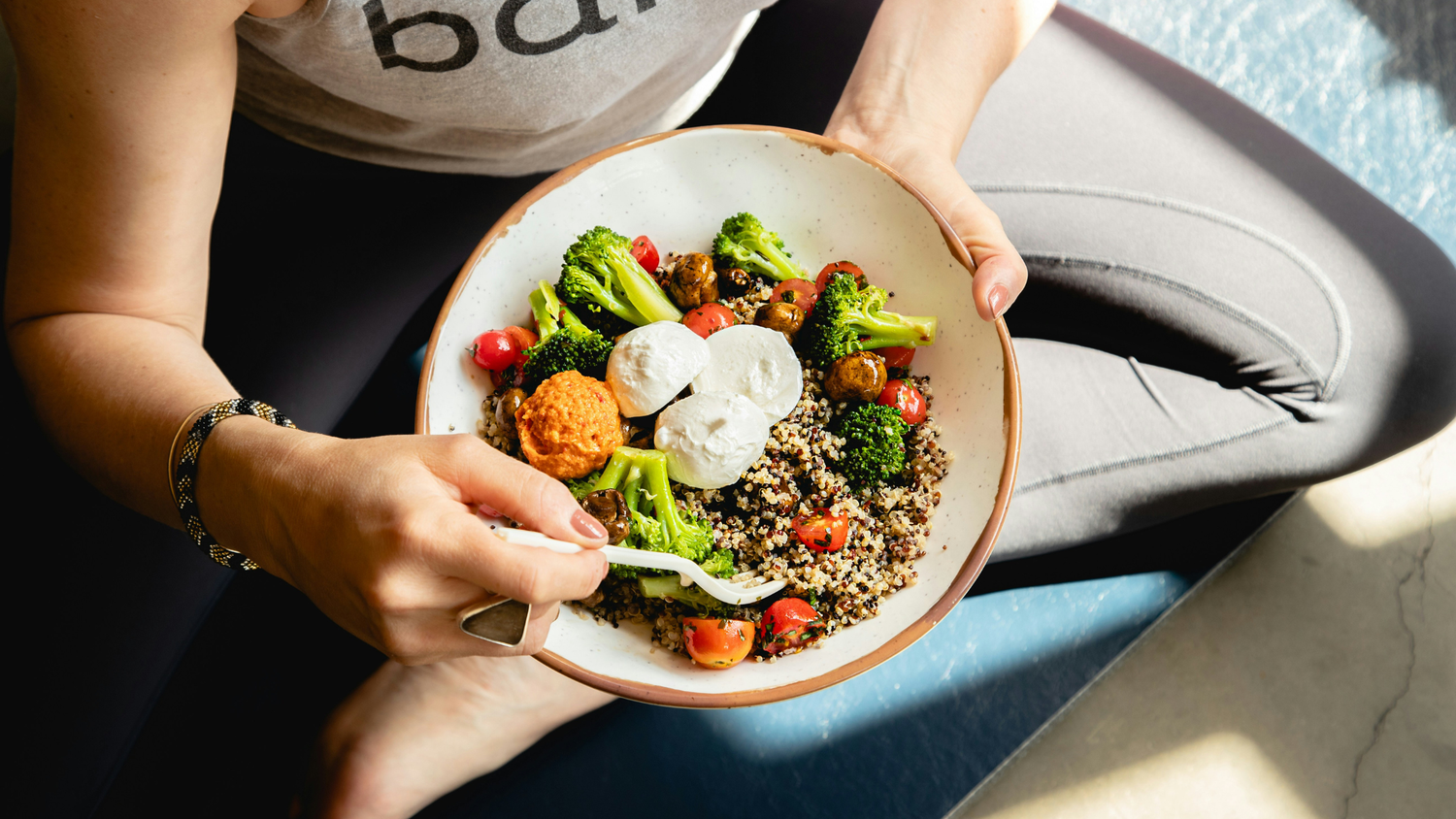
Few nutrition messages are as consistently supported by research as the recommendation to eat a wide variety of vegetables. Leafy greens, tomatoes, capsicum, broccoli and other colourful vegetables provide carotenoids, polyphenols, vitamins and minerals that support cellular health.
Researchers studying healthy ageing patterns repeatedly find that diets rich in vegetables are associated with better physical, mental and cognitive outcomes later in life (R). The variety of colours matters because different pigments often correspond to distinct protective compounds. Eating the rainbow is more than a catchy phrase; it reflects nutritional diversity that may help support healthy ageing.
The Real Secret Is the Pattern, Not a Single Superfood
It is tempting to search for one miraculous food that slows ageing. However, the strongest scientific evidence points toward overall dietary patterns rather than individual foods.
The foods most consistently linked with healthy ageing include:
- Extra virgin olive oil
- Berries
- Tea
- Apples
- Citrus fruits
- Nuts
- Legumes
- Colourful vegetables
- Whole grains
Together, these foods provide a rich mixture of fibre, polyphenols, vitamins, minerals and healthy fats that support the body’s natural maintenance and repair processes. Rather than focusing on perfection, consider adding more of these foods to meals you already enjoy. Small, sustainable changes often create the greatest long-term benefits.
Supporting Healthy Ageing One Meal at a Time
Healthy ageing is not about chasing the latest nutrition trend. It is about building enjoyable eating habits that nourish your body for years to come. The evidence is remarkably consistent: diets rich in plant foods, extra-virgin olive oil, nuts, and legumes are strongly associated with better health, vitality, and independence as we age. By choosing more of these foods regularly, you can support many of the biological processes linked with long-term wellbeing.
If you’d like to continue learning about lifestyle habits that support healthy ageing, read our related blog here: Optimal Gut Health and Healthy Aging: A Dietary Guide